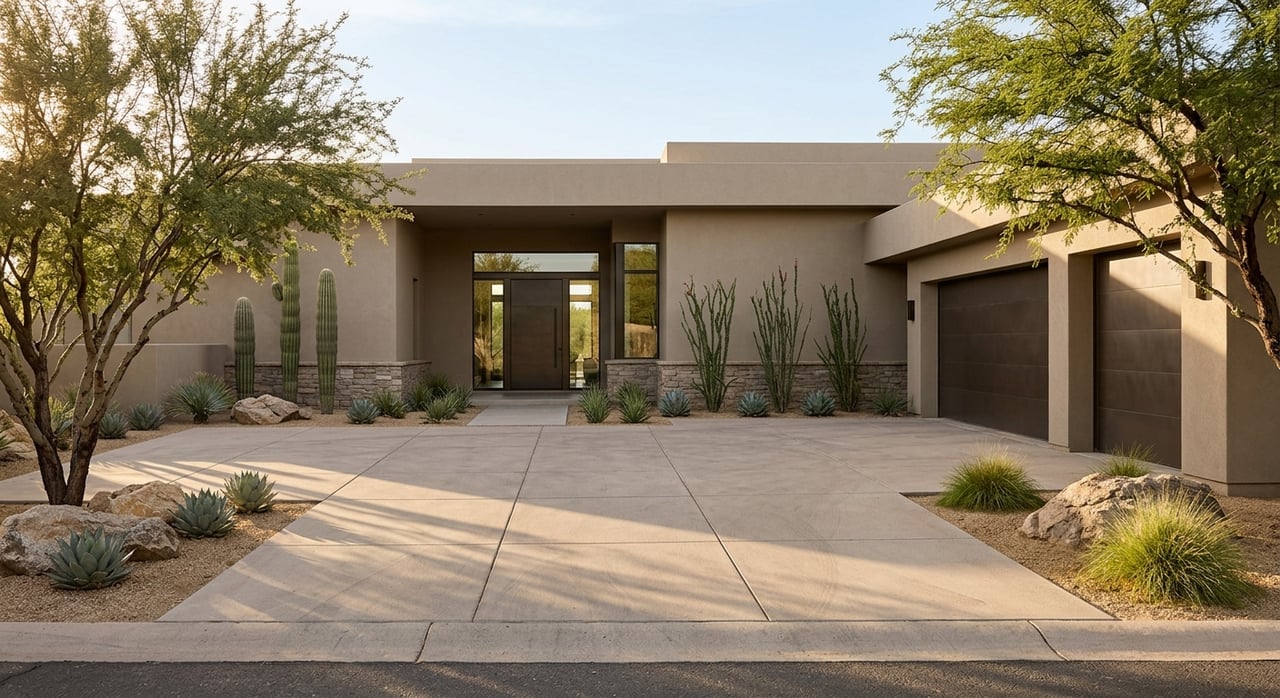
If you want Desert Mountain living with easier day-to-day access, the Lower Villages deserve a close look. Many buyers love the idea of a private club community but also want simpler in-and-out movement, practical lock-and-leave ownership, and convenient access for guests. This guide will help you understand how Lower Villages homes fit into the Desert Mountain lifestyle, what kinds of properties you may find, and why this part of the community stands out. Let’s dive in.
What Lower Villages Means
In Desert Mountain, the term “Lower Villages” generally points to homes that trade some of the highest elevation and ridge-top positioning for convenience and accessibility. That often means shorter internal drives, easier guest arrivals, and strong appeal for seasonal owners.
This is still very much Desert Mountain living. The lifestyle, amenities, and gated setting remain part of the experience, but the value equation shifts toward practical access and low-maintenance options.
Desert Mountain at a Glance
Desert Mountain is located in Scottsdale within ZIP code 85262. Official sources describe the overall community a little differently, with the HOA map library noting 8,800 acres and about 68 miles of road, while club marketing references about 8,300 acres and 35 villages.
For the most precise village boundaries, the HOA village maps are the best source. What matters for buyers is that Desert Mountain is a large, established gated community with multiple villages and distinct location advantages depending on where you buy.
Why Buyers Focus on Lower Villages
Lower-village buyers are often looking for a simpler ownership pattern. If you plan to spend part of the year in Arizona, travel often, or host visitors regularly, convenience can become just as important as views or lot size.
That is why the Lower Villages tend to attract buyers who want Desert Mountain’s club lifestyle without the longer internal drives associated with more elevated locations. In practical terms, these homes can make arrivals, departures, and guest visits feel easier.
Access Matters for Everyday Living
The convenience story is not just internal to Desert Mountain. The club’s guide map ties the community to north Scottsdale destinations including Scottsdale Airport, HonorHealth Thompson Peak, Mayo Clinic, Desert Ridge Marketplace, Kierland Commons, Scottsdale Quarter, and the Pima/101 retail area.
For many second-home owners, that outside access is a major plus. You can enjoy private-club living while staying connected to everyday services, dining, shopping, and travel routes.
Gated Entry and Guest Access
All Desert Mountain villages are gated. According to the HOA, most village gates are open Monday through Saturday from 5:45 a.m. to 7 p.m., closed on Sundays and holidays, and GateAccess.net and eGo tags are used to manage entry and guests.
For buyers who expect visiting family, friends, or service providers, understanding gate access is part of choosing the right village. Convenience is not just about location on a map. It is also about how smoothly your home works for the way you live.
What Homes Look Like in the Lower Band
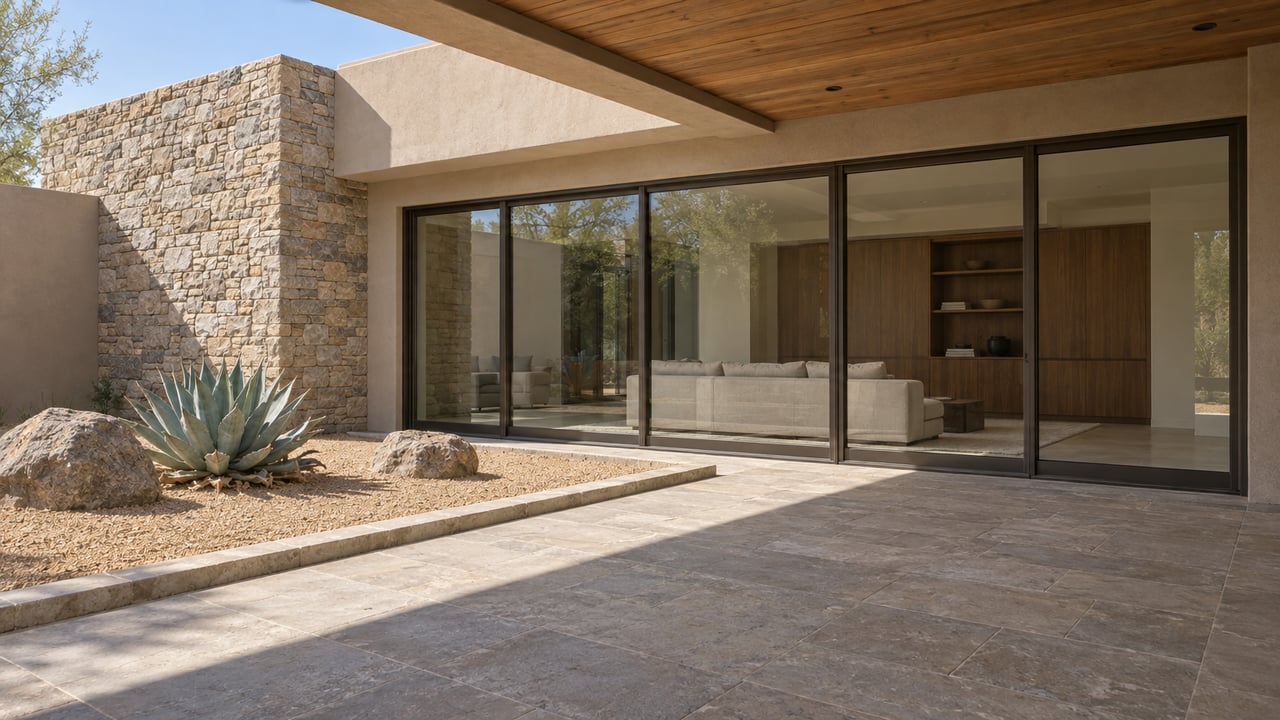
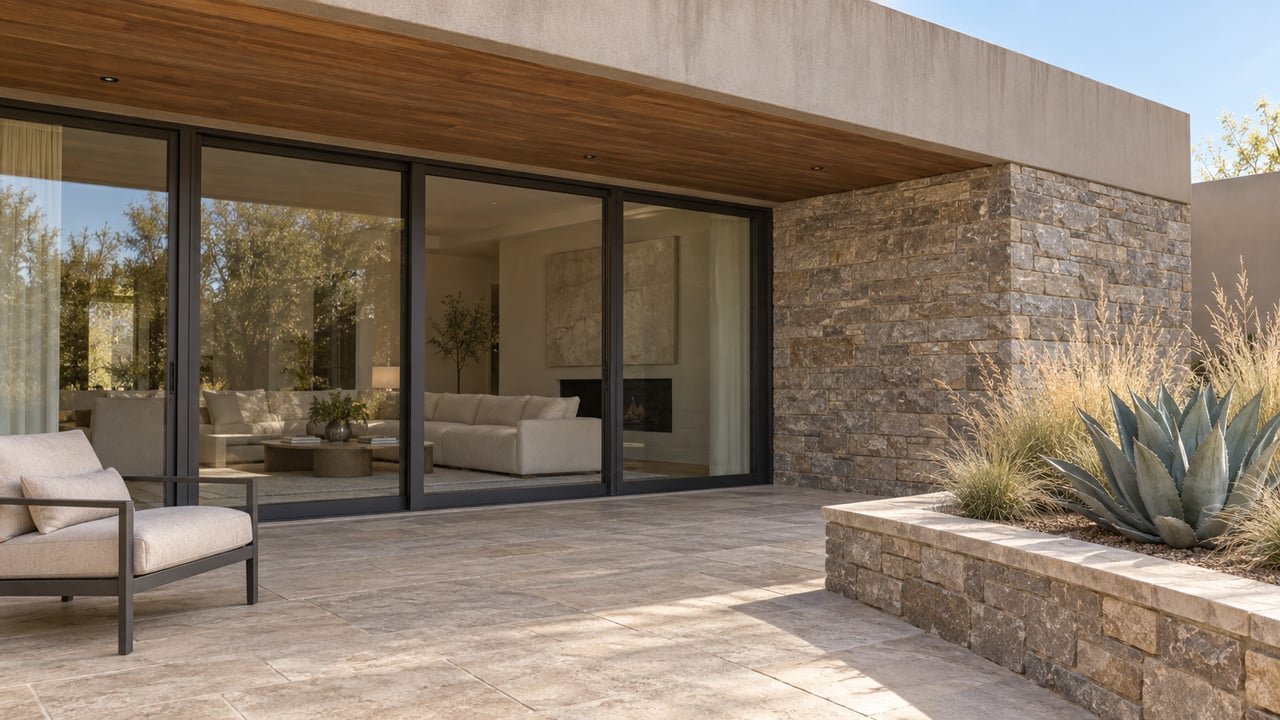
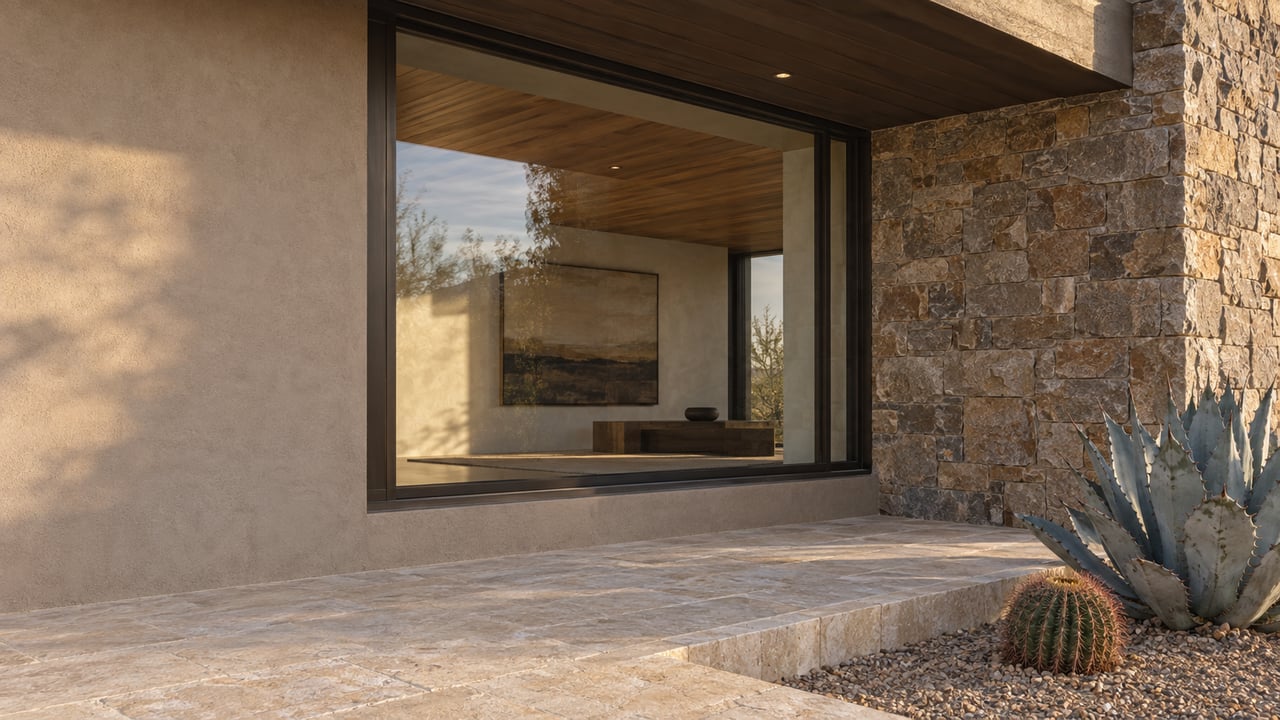
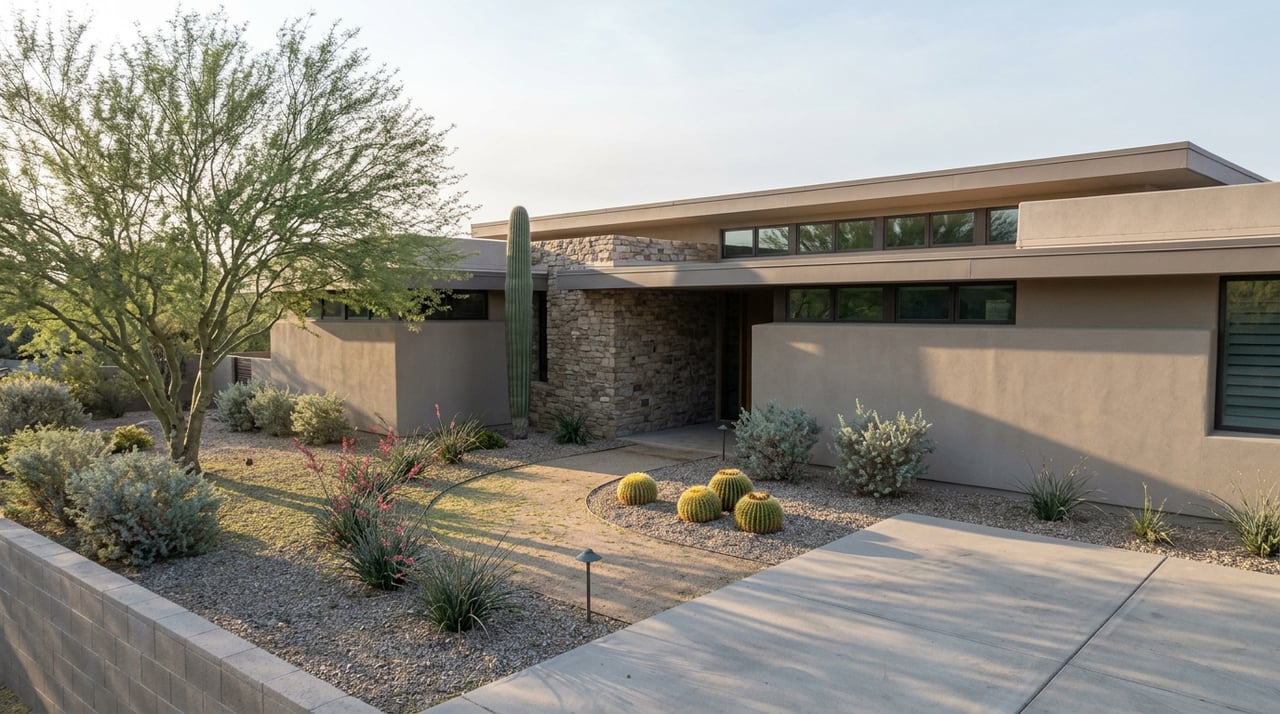
One of the biggest draws of the Lower Villages is the mix of home types. Desert Mountain’s Villages information describes villas, cottages, and patio homes as low-maintenance, lock-and-leave options with convenient access to clubhouses and city or sunset views.
That makes this area especially appealing if you want a home that feels luxurious but manageable. You may not need a large custom estate to enjoy the community, especially if your priority is seasonal use or easy ownership.
Low-Maintenance Options
The club places villas, cottages, and patio homes in a broad price range from $800,000 to $3.7 million. By comparison, custom homes across Desert Mountain range much higher, from $1.199 million to $16.5 million.
That does not mean every Lower Villages home is small or modest. It means the housing mix often includes more convenience-oriented options alongside larger residences, giving buyers more flexibility in how they enter the community.
Current Listing Examples
Recent club listings show how varied the Lower Villages can be:
- A Sonoran Cottages home on Graythorn Drive offered 2,086 square feet and was described as close to the Sonoran fitness and spa and the Desert Hills gate, listed at $1.4 million.
- A Desert Fairways home on Fernwood Lane offered 2,992 square feet with fairway frontage, listed at $2.75 million.
- A Desert Greens property on 107th Way offered 3,530 square feet on the Apache golf course, listed at $3.295 million.
- A Rising Sun home was described as having quick access to the main gate, Renegade clubhouse, and Sonoran Fitness Center and Spa, listed at $3.25 million.
- A Gambel Quail Preserve home on Covey Trail was also noted for its convenient location near the main gate, listed at $2.449 million.
These examples support a clear pattern. Lower-village living is not one single product type. It can mean cottages, golf-oriented homes, patio-style residences, and larger detached homes, all tied together by convenience and access.
Price Positioning in Lower Villages
If you are trying to understand pricing, the safest takeaway is that the active lower-convenience band is currently showing up from about $1.4 million into the low $3 millions based on current club-site examples. That range captures a meaningful part of the convenience-focused inventory buyers often ask about.
At the same time, Desert Mountain as a whole includes much higher custom-estate pricing and larger homesite opportunities. So when you shop the Lower Villages, you are not looking at a lesser version of the community. You are looking at a different balance of lifestyle priorities.
Lower Villages Versus Upper Villages
Many buyers eventually compare lower and upper village locations. This is one of the most important decisions because it shapes your daily experience of the community.
In general, upper villages tend to emphasize privacy, bigger building envelopes, and more elevated views. Lower villages typically emphasize easier movement, guest convenience, and lock-and-leave practicality.
Which Lifestyle Fits You?
If you picture frequent arrivals and departures, visiting guests, and a home that is simple to enjoy seasonally, Lower Villages may be the stronger fit. If your top priority is elevation, privacy, or a more expansive custom setting, you may prefer to look higher in the community.
Neither option is universally better. The right choice depends on how you plan to use the home and which tradeoffs matter most to you.
Amenities Stay a Major Draw
Choosing a lower-village location does not mean giving up the core Desert Mountain lifestyle. Club materials describe seven distinct clubhouses, 10 restaurants and grills, a 42,000-square-foot Sonoran Clubhouse, racquet sports, and about 25 miles of private hiking trails.
That is an important point for buyers who worry that convenience means compromise. In Desert Mountain, the Lower Villages are about easier movement, not a reduced amenity experience.
Membership Questions to Verify
Membership can influence how a property is marketed and how buyers evaluate value. The HOA states that all property owners are HOA members whether or not they join the club, and active listings sometimes advertise immediate or available club membership access.
That is why you should verify membership details carefully on any property you consider. Transferability and membership category can vary, so this is an area where village-level knowledge and transaction guidance matter.
Why Local Guidance Helps
On paper, two homes may both be in Desert Mountain, but the ownership experience can feel very different depending on village location, home type, gate access, and club proximity. That is especially true in the Lower Villages, where subtle differences can have a big impact on convenience.
If you are comparing homes near a main gate, close to Sonoran amenities, or positioned for easy guest access, the details matter. So does understanding how pricing, location, and membership positioning work together in the current market.
If you are exploring Lower Villages homes or thinking about selling a convenience-oriented property in Desert Mountain, Linda Salkow Real Estate offers in-community insight, membership guidance, and high-touch representation tailored to the way buyers and sellers evaluate this market.
FAQs
What are Lower Villages homes in Desert Mountain?
- Lower Villages homes are generally properties in Desert Mountain that emphasize easier in-and-out access, shorter internal drives, and practical lock-and-leave ownership compared with some higher-elevation village locations.
What types of homes are common in Desert Mountain Lower Villages?
- Buyers often find villas, cottages, patio homes, and some larger detached homes in the Lower Villages, with many options designed for low-maintenance seasonal or part-time use.
What price range do Lower Villages homes in Desert Mountain fall into?
- Based on current club-site examples in the research provided, the active lower-convenience band is showing up from about $1.4 million into the low $3 millions, while the broader community includes higher-priced custom homes.
Are Desert Mountain Lower Villages still gated?
- Yes. All Desert Mountain villages are gated, and the HOA says most village gates are open Monday through Saturday from 5:45 a.m. to 7 p.m., with access managed through GateAccess.net and eGo tags.
Do Lower Villages homes have access to Desert Mountain amenities?
- Yes. Lower-village ownership is still part of the broader Desert Mountain lifestyle, which club materials describe as including seven clubhouses, 10 restaurants and grills, racquet sports, the Sonoran Clubhouse, and private hiking trails.
What should buyers verify about Desert Mountain club membership?
- Buyers should verify whether club membership is available, immediate, or transferable with any specific property and confirm the membership category before making an offer.