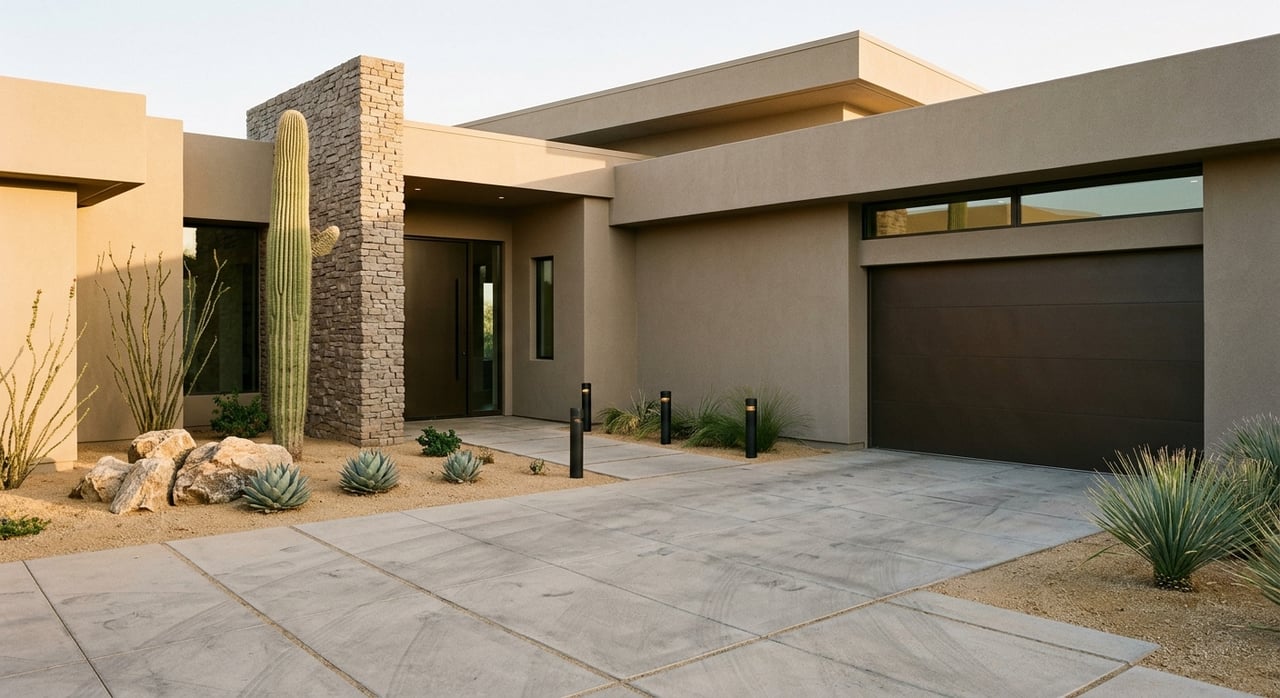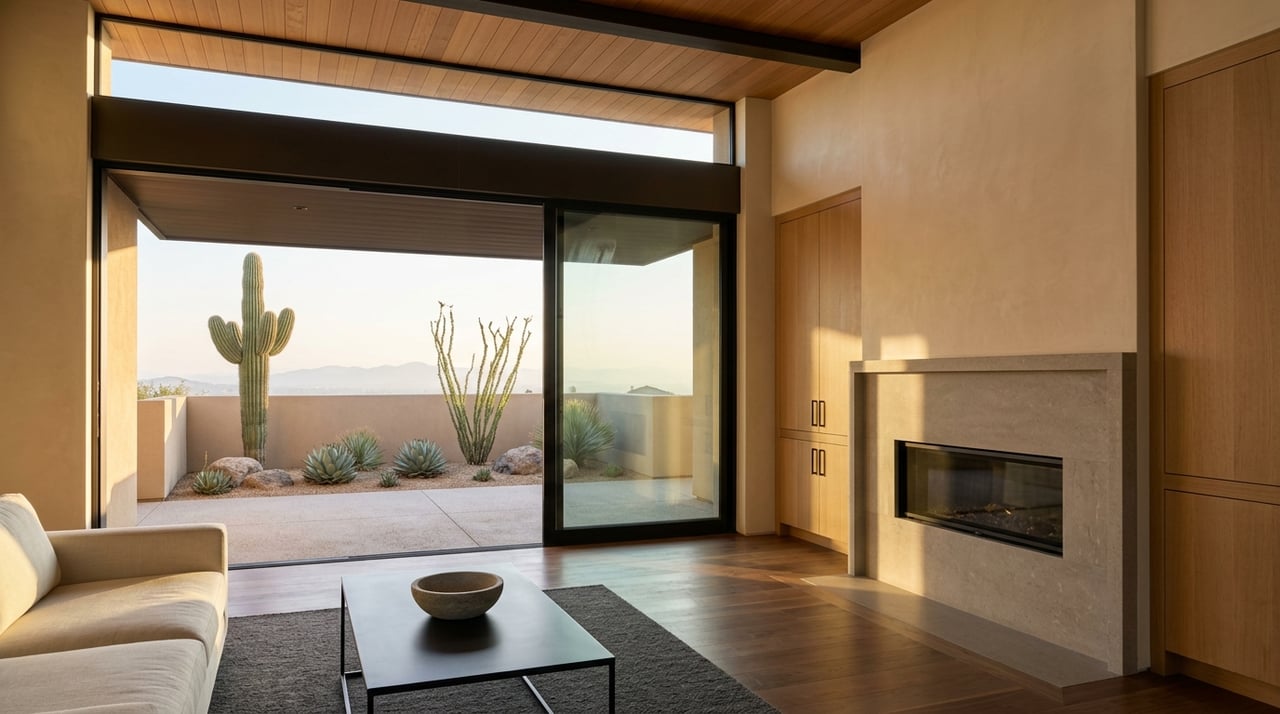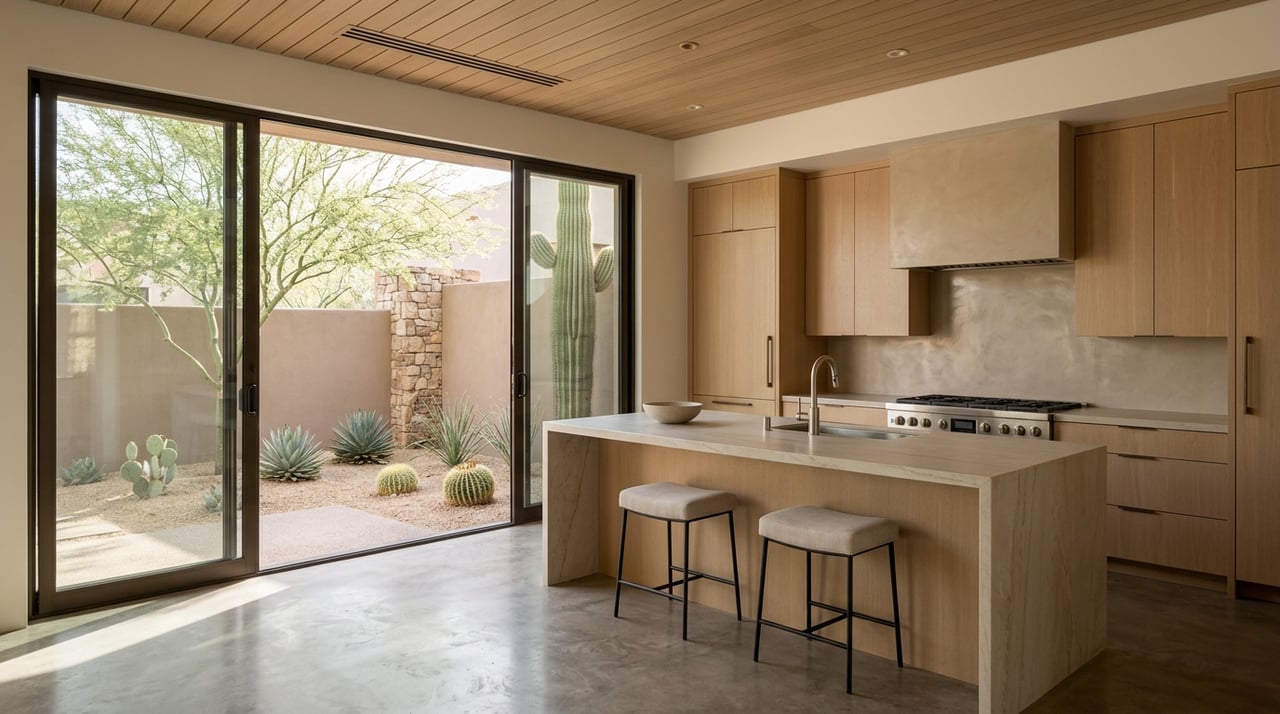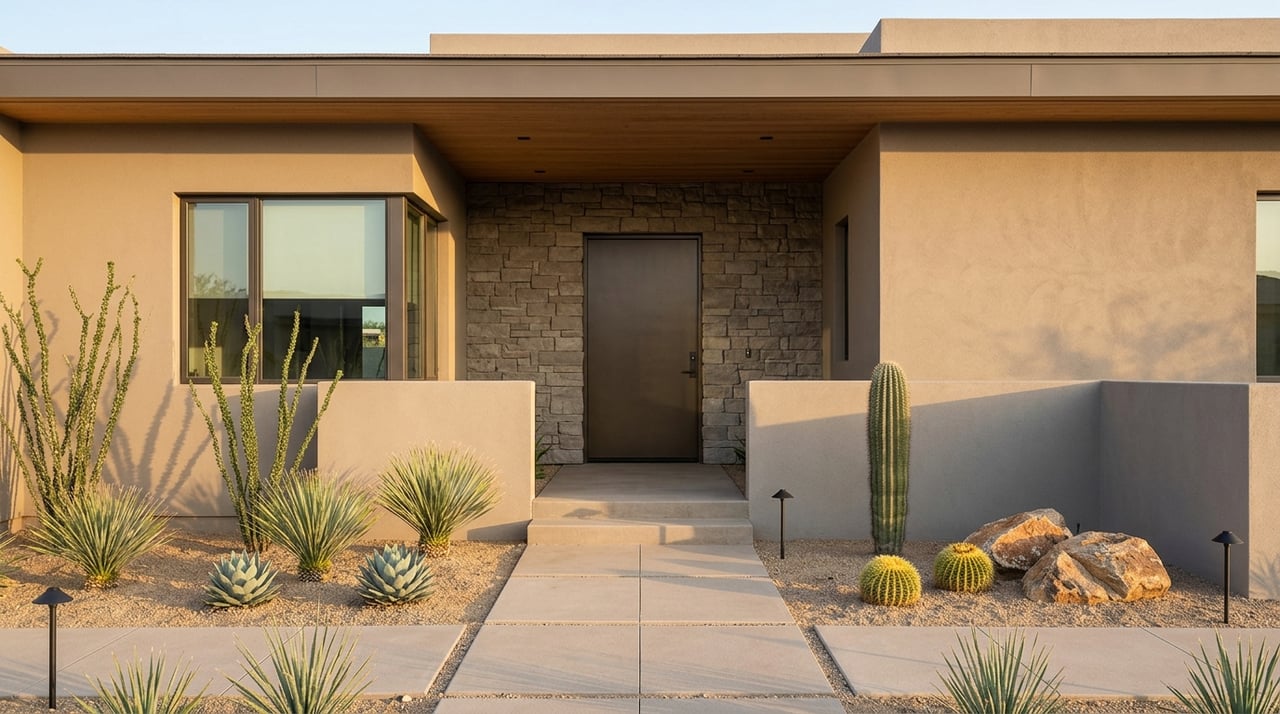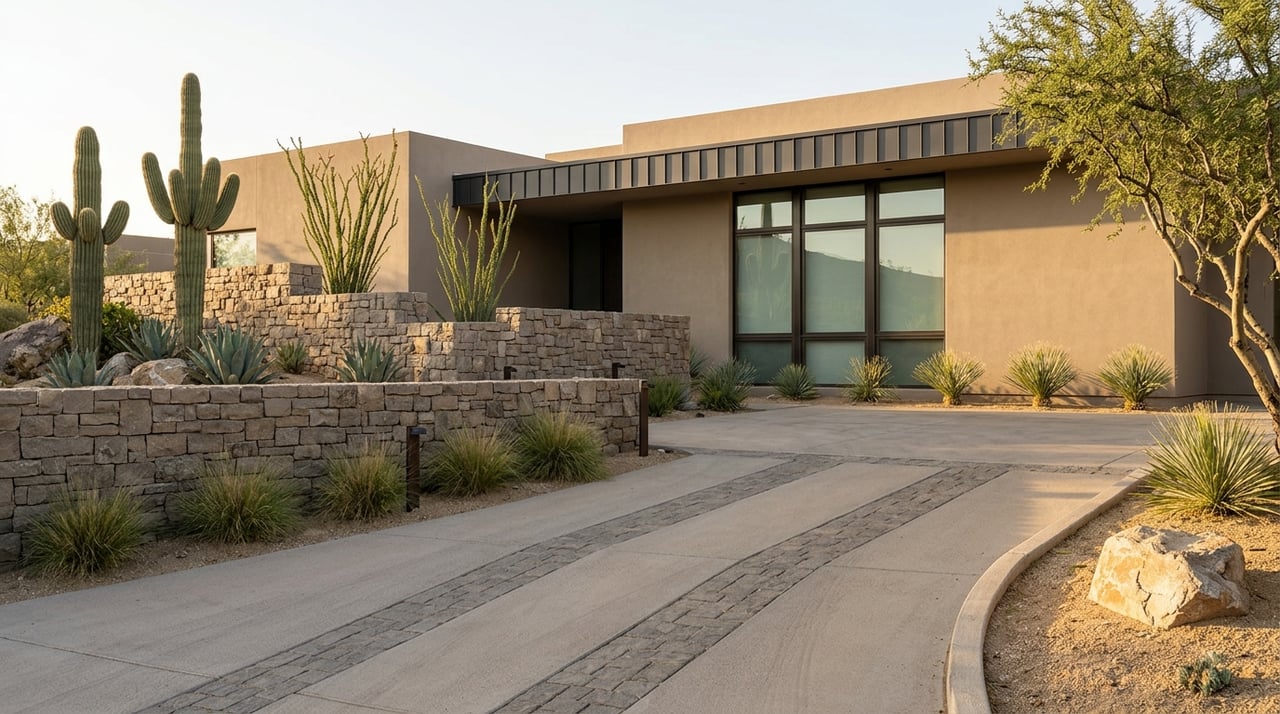
If you are drawn to the highest reaches of Desert Mountain, you are probably looking for more than a beautiful house. You are likely thinking about views, privacy, cooler temperatures, and how the setting will shape your day-to-day life. In Desert Mountain’s upper villages, those details matter just as much as square footage, and understanding them can help you choose with confidence. Let’s dive in.
What defines Desert Mountain’s upper villages?
Desert Mountain is an 8,300-acre private club community in north Scottsdale with homes, clubhouses, golf courses, trails, and village neighborhoods woven into the Sonoran Desert landscape. The community includes more than 2,000 homes and future estates, and its setting near the north side of Scottsdale places it close to dramatic peaks, rolling hills, and broad desert panoramas.
When buyers talk about the upper villages, the names that usually come up are Apache Peak, Saguaro Forest, and Cintarosa Ranch. These areas are known for higher elevations, larger-feeling settings, and long-range outlooks that can include mountain backdrops, sunsets, and city lights.
Why elevation changes the experience
One of the biggest differences in the upper villages is elevation. The Chiricahua Clubhouse sits at about 3,300 feet, Apache Peak homesites are also around 3,300 feet, and a Cintarosa Ranch homesite is described as approximately 3,500 feet, which is noted as the highest lot in Desert Mountain.
That higher ground can influence how a home feels every day. A current Apache Peak listing notes that homes at that elevation are often about 10 degrees cooler than the Phoenix valley below, and the general weather pattern supports that idea because temperatures usually decrease with height.
This matters in Scottsdale, where NOAA climate normals at Scottsdale Municipal Airport show mean daily highs of 102.0°F in June, 104.1°F in July, and 102.9°F in August. Scottsdale also averages about 314 sunny days each year, so even a modest temperature difference can make mornings, evenings, patios, and outdoor routines feel more comfortable.
Views are a major part of the value
Upper-village buyers are often paying close attention to what they can see and how protected those views are. In these areas, listings frequently highlight city lights, sunset corridors, mountain vistas, privacy, and wide-angle panoramas.
That does not mean every upper-village property offers the same experience. One lot may sit on a ridge with expansive outlooks, while another may feel more tucked into the terrain with a stronger sense of seclusion. When you tour, it helps to look beyond the headline view and think about where the best sight lines are from the great room, primary suite, patio, and pool area.
Road grades matter more than many buyers expect
In the upper villages, topography is part of the lifestyle. Some lots are gradually sloped, while others are hillside or elevated platform sites, and that can affect how the property functions long after the first showing.
A steep driveway may feel very different from a gentler approach. The same goes for garage access, guest parking, drainage, and the complexity of site preparation on land parcels. This is one reason two homes with similar square footage can live very differently in the upper villages.
Upper-village names to know
Apache Peak
Apache Peak is one of the best-known upper-village options for buyers who want high elevation and strong valley views. Listings here often emphasize city lights, sunsets, and broad outlooks, and some homesites sit at roughly 3,300 feet.
This village is especially worth a close look if you are drawn to a true ridgeline feel. You may find that the combination of elevation and orientation creates a setting that feels distinct from other parts of the community.
Saguaro Forest
Saguaro Forest is often associated with mountain vistas, privacy, and long-range views. It also connects closely to the Chiricahua area, which makes it important for buyers who want to weigh scenery against daily access to specific club amenities.
Because the terrain can vary from homesite to homesite, Saguaro Forest is a place where lot position matters. Some properties feel more dramatic and elevated, while others may offer a quieter relationship to the surrounding desert contours.
Cintarosa Ranch
Cintarosa Ranch is another upper-village option that draws buyers seeking privacy, space, and high-elevation living. A Cintarosa Ranch homesite is described by the club as being approximately 3,500 feet, and it has been called the highest lot in Desert Mountain.
If you want one of the most elevated settings in the community, this village deserves attention. It may be especially appealing if your priorities center on long-range outlooks and a more removed feel within Desert Mountain.
Clubhouse access should guide your search
For many upper-village buyers, Apache and Chiricahua are the most relevant clubhouse anchors. Where you live in relation to those destinations can shape your daily routine more than you might expect.
The Apache Clubhouse is located at 11124 East Prospect Point Drive. The Apache restaurant looks toward Apache Peak Village, and the course is described by the club as flatter, more walkable, and more forgiving than some other Desert Mountain courses, with broader fairways and fewer forced carries.
The Chiricahua Clubhouse is located at 42429 North Saguaro Forest Drive on a hillside at 3,300 feet. It overlooks the 18th hole and is known for city views and terrace sunsets, while the Chiricahua course includes elevation changes that create both downhill and uphill holes.
Internal drive times are part of the tradeoff
One of the clearest tradeoffs in the upper villages is that you may have longer internal drives in exchange for more privacy, more topography, and broader views. That is not a drawback for every buyer, but it should be part of your decision.
Desert Mountain’s guide map is useful because it shows clubhouses, golf courses, trails, the Sonoran fitness and spa complex, hospitals, airports, and retail destinations. If your ideal day includes frequent trips to one clubhouse, regular trail access, or quick drives to fitness amenities, location within the community matters.
For comparison, Seven offers a different convenience profile because homes there are described as walkable to the No. 7 course and clubhouse. That makes Seven a useful contrast when you are deciding whether upper-village scenery or shorter daily drives matters more to you.
Membership fit is just as important as map fit
Buying near a clubhouse only helps if your membership and routine match the location. Desert Mountain makes clear that course access is member-based, and the Chiricahua FAQ states that a full golf membership provides access to all seven private courses.
That means your home search should not focus on geography alone. If club access is central to your lifestyle, it is smart to compare the village location with the membership category and daily habits you expect to have once you own there.
This is where community-specific guidance can make a real difference. Buyers often benefit from understanding not just where a home sits, but how that location works with membership planning, driving patterns, and the way they actually want to use Desert Mountain.
How upper villages compare to middle villages
A helpful way to think about Desert Mountain is by grouping it into lower, middle, and upper bands based on elevation, clubhouse access, and home or lot type. In that framework, the middle villages often feel like the compromise option.
Middle-village locations may be less rugged than the highest ridgelines, while still offering space and views. By contrast, upper villages usually trade longer internal drives and more topography for greater privacy, larger-feeling settings, and long-range outlooks.
Neither option is automatically better. The right fit depends on whether you want the dramatic setting of the ridgeline or a more balanced combination of access and terrain.
A smart tour checklist for upper-village buyers
When you tour homes or lots in Desert Mountain’s upper villages, focus on the details that shape daily life.
- Which clubhouse will you use most often?
- How steep is the driveway and garage approach?
- Does the lot sit on a ridge, hillside, or gradual slope?
- How much privacy do you feel from the patio and main living spaces?
- Which rooms capture the best mountain, sunset, or city-light views?
- Could site preparation or drainage affect a future build?
- Do village or lot-specific guidelines affect your plans?
This kind of checklist helps you compare homes in a practical way. It also keeps you focused on long-term fit, not just first impressions.
Why local guidance matters in the upper villages
The upper villages can be some of the most compelling areas in Desert Mountain, but they are also among the most nuanced. Small differences in elevation, orientation, slope, and internal drive patterns can have a big impact on how a home lives.
That is why buyers often do best with village-level guidance, especially when they are balancing lifestyle goals with membership planning and lot-specific considerations. In a community this layered, the right advice is often about helping you narrow the choices that truly match the way you want to live.
If you want help comparing Apache Peak, Saguaro Forest, Cintarosa Ranch, or other Desert Mountain options, Linda Salkow Real Estate offers in-community guidance shaped by years of Desert Mountain experience, including village-level insight and membership advisory.
FAQs
What are Desert Mountain’s upper villages?
- In buyer shorthand, Desert Mountain’s upper villages usually refer to higher-elevation areas such as Apache Peak, Saguaro Forest, and Cintarosa Ranch.
How high are homes in Desert Mountain’s upper villages?
- Official Desert Mountain materials place Apache Peak homesites at about 3,300 feet, the Chiricahua Clubhouse at 3,300 feet, and a Cintarosa Ranch homesite at approximately 3,500 feet.
Are Desert Mountain’s upper villages cooler than the valley?
- A current Apache Peak listing says homes at that elevation are typically about 10 degrees cooler than the Phoenix valley below, and higher elevations generally do experience lower temperatures.
Which clubhouses are most relevant to Desert Mountain’s upper villages?
- Apache and Chiricahua are the main clubhouse anchors most often associated with upper-village living.
What should buyers look at besides views in Desert Mountain’s upper villages?
- Buyers should also compare driveway pitch, garage approach, lot slope, privacy, internal drive times, site-prep needs, and which clubhouse they expect to use most often.
Do Desert Mountain upper villages always mean the best fit?
- Not necessarily. Upper villages often offer more privacy and longer-range views, but middle or other village locations may be a better fit if you prefer easier terrain or shorter internal drives.
Does living near a Desert Mountain clubhouse guarantee course access?
- No. Desert Mountain states that course access is member-based, so proximity to a clubhouse matters most when it aligns with your membership category and lifestyle goals.